Why oil stains are so stubborn
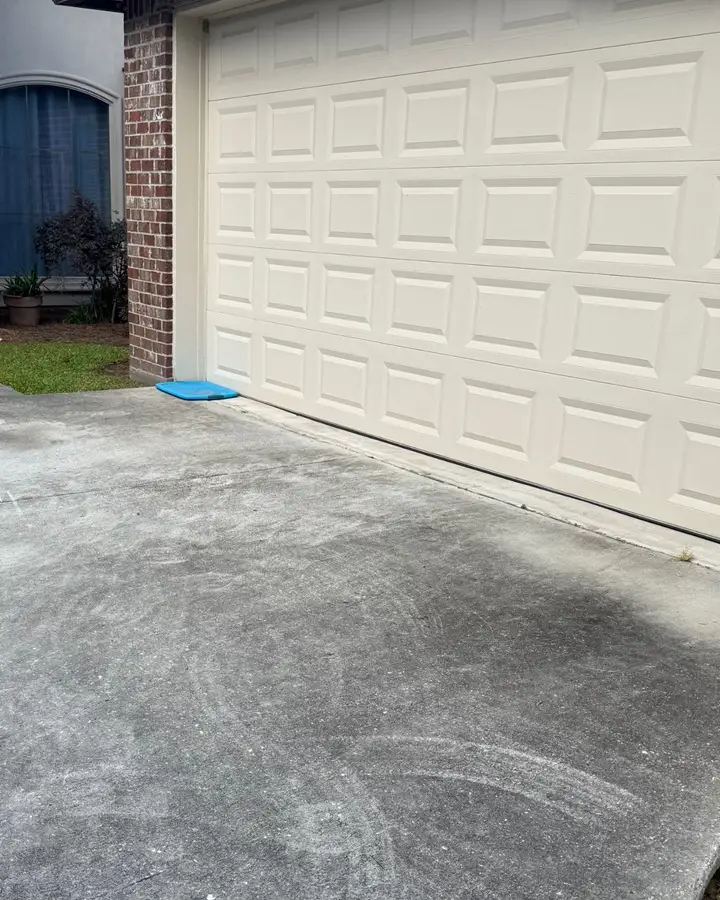
Concrete looks solid, but it’s actually porous, more like a hard sponge than a sealed slab. When motor oil drips onto it, the oil soaks down into those pores instead of sitting on top. That’s why a quick rinse, or even a normal pressure wash, often just lightens an oil stain rather than removing it: the water blasts the surface, but the oil that has soaked below stays put.
To really remove it, you have to pull the oil back up out of the concrete, not just clean the top. Everything below is built around that idea.
Act fast on fresh spills
The easiest oil stain to remove is the one you catch early. If you see a fresh spill:
- Cover it immediately with an absorbent like clay cat litter, cornstarch or baking soda.
- Press it in with your shoe so it makes good contact.
- Leave it for several hours or overnight to wick up oil that hasn’t soaked in yet.
- Sweep it up and throw it away in a bag.
The less oil that penetrates, the less you’ll have to draw back out later.
Step-by-step: removing a set-in stain yourself
- Absorb what you can. Even on an older stain, a fresh layer of absorbent left on overnight can pull up surface oil.
- Degrease and scrub. Apply a concrete degreaser or a strong grease-cutting dish soap, let it dwell for 10 to 20 minutes without drying out, then scrub hard with a stiff nylon brush.
- Rinse with the hottest water you can. Heat helps break down and lift oil. A hose helps; a pressure washer helps more. Repeat the degrease-and-scrub cycle for stubborn spots.
- Use a poultice for deep stains. For old, set-in oil, mix a degreaser into an absorbent powder to form a thick paste, spread it over the stain, cover it with plastic and let it dry for a day or two. As it dries, it draws oil back out of the pores. Scrape it off and rinse.
Safety note: follow the label on any degreaser or solvent, keep it off your lawn and out of storm drains, and never mix cleaning chemicals.
Rust, transmission fluid and other stains
Not every dark spot is motor oil. Rust stains from patio furniture, rebar or fertilizer need a different, acidic rust remover, not a degreaser. Transmission and hydraulic fluid respond to the same degreasing approach as oil but can be more stubborn. Red-clay staining, common where runoff crosses the driveway, needs its own treatment too.
If you’re not sure what you’re dealing with, that’s a good reason to have a pro look. Using the wrong product can set a stain rather than lift it.
What doesn’t work
- Plain water at any pressure. It cleans the surface around the stain and makes the stain stand out more.
- Holding a pressure washer wand close. It can etch the concrete, leaving a lighter, rougher patch that looks worse than the stain did.
- Bleach. It’s for mildew, not oil, and it does nothing to petroleum.
When to call a professional
Old, deep or large oil stains usually need commercial-grade degreasers, hot water and proper pressure equipment to get real results. Even then, the honest truth is that very old stains sometimes only improve rather than vanish completely. A good pro will tell you that up front instead of promising a miracle.
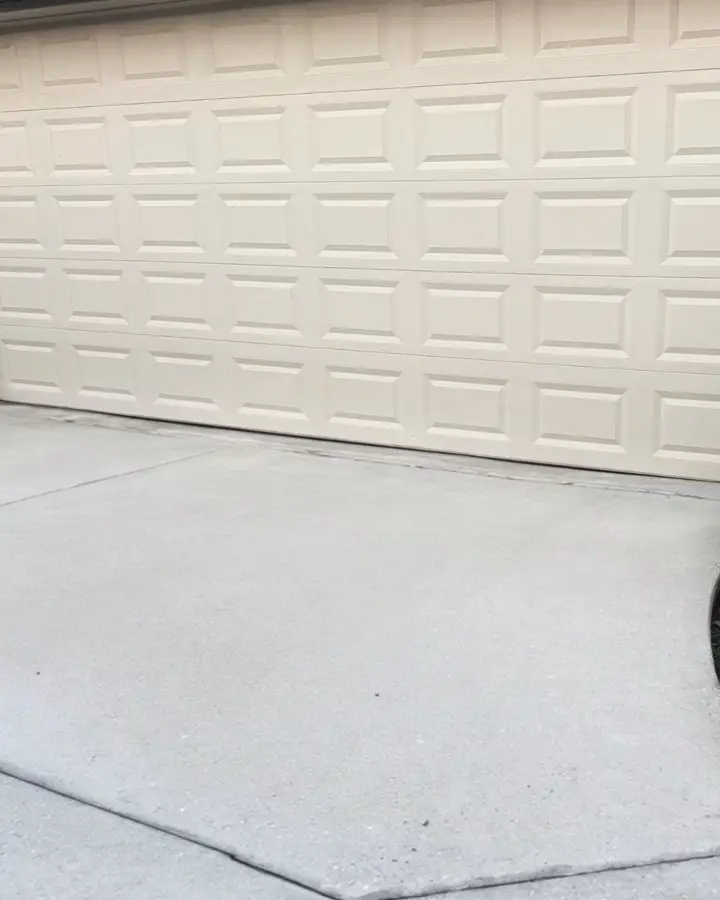
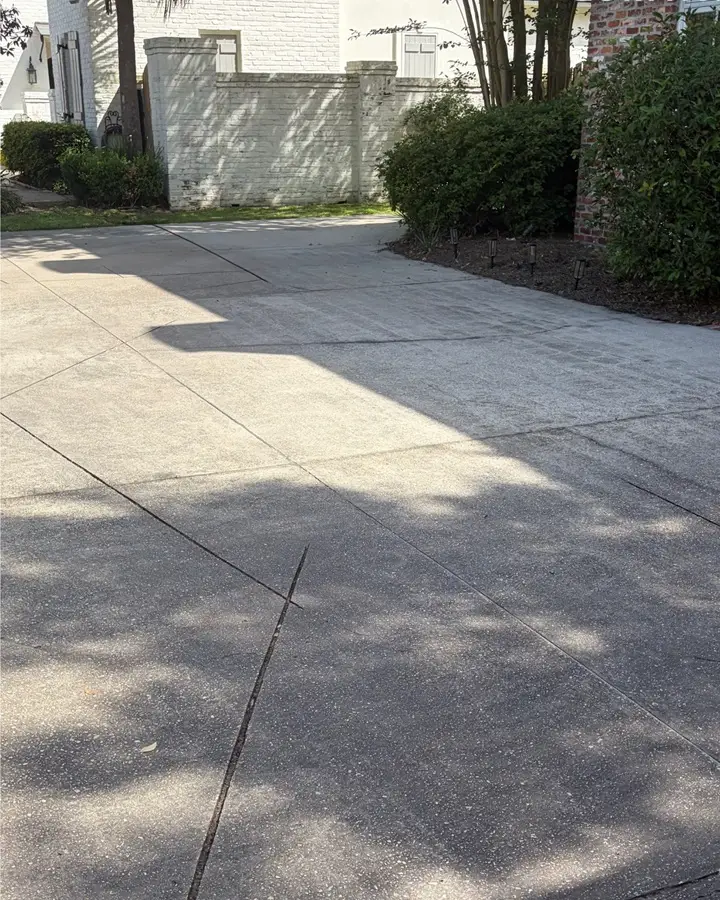
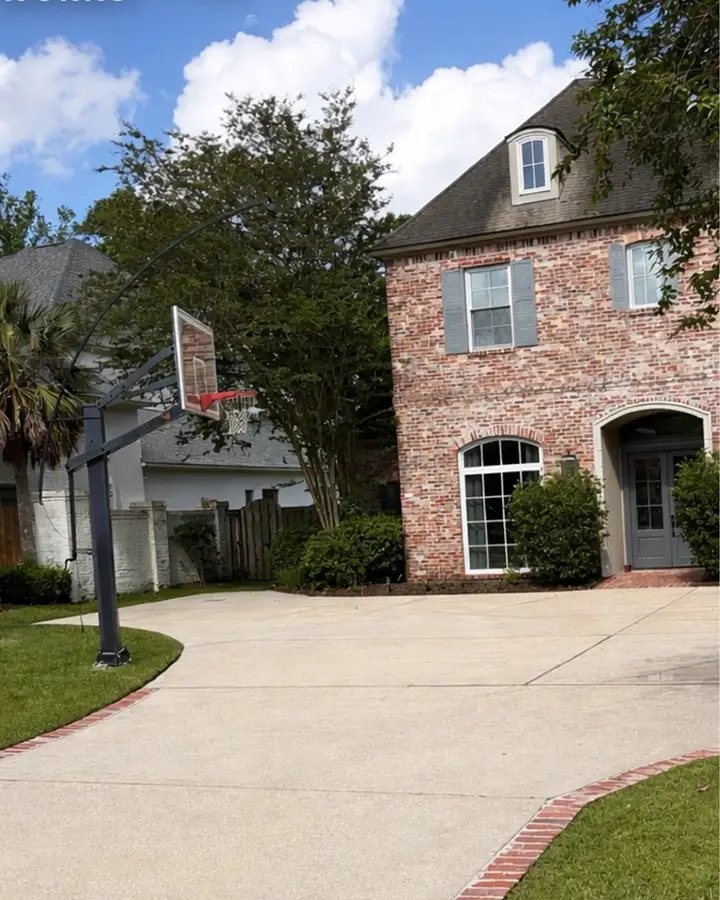
Pro Clean Surface Works pretreats oil and rust staining and then cleans the entire driveway to an even finish with a flat-surface cleaner, so you’re not left with one clean patch on a dingy slab. If a stain won’t come out completely, we’ll say so before we start, and get it as close as possible. Learn more about our driveway cleaning
Preventing the next stain
Once your driveway is clean, sealing the concrete is the best prevention. A quality concrete sealer fills the pores so future spills sit on the surface where they’re easy to wipe up before they soak in. Reseal every few years. And keep a bag of cat litter in the garage. Catching a spill in the first hour is still the single most effective “stain remover” there is.