The honest summary
If you have a decent machine, a surface cleaner, a free Saturday and a small, lightly dirty slab of concrete, doing it yourself is reasonable. If the job involves the house itself, heavy staining, a large or long driveway, or you want a perfectly even result, hiring a professional usually makes more sense. The biggest risk isn’t a bad result on concrete; it’s damage to siding, stucco, paint or a roof from using high pressure where it doesn’t belong.
Side by side
| Do it yourself | Hire a pro | |
|---|---|---|
| Upfront cost | Rent or buy a machine, attachments, chemicals | One quoted price |
| Your time | Usually a half day or more | None |
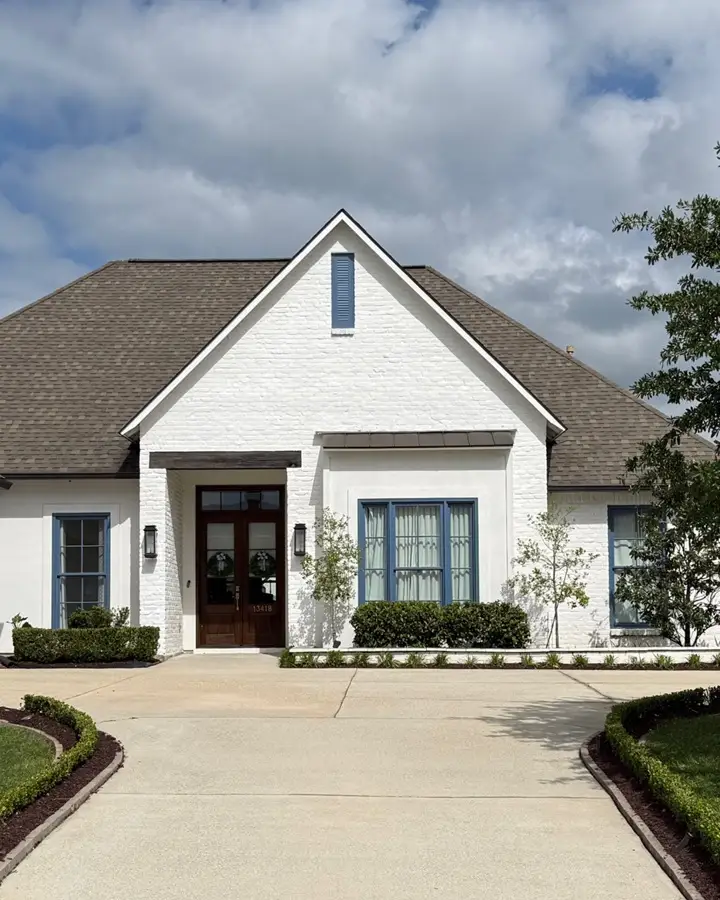
| Concrete finish | Stripes are common with a wand | Even, with a surface cleaner |
| Siding and roofs | Real damage risk | Soft washed |
| Oil and rust | Trial and error | Pretreated, honest expectations |
What doing it yourself really costs
The machine is just the start. To get a professional-looking result on concrete you also need a flat-surface cleaner attachment, a degreaser for oil spots, something for mildew, hoses long enough to reach, and safety gear. Renting all of that for a day, or buying a machine that’s powerful enough for concrete, adds up quickly. Then there’s your time: a first-timer can easily spend most of a day on a driveway and walkways.
The three most common DIY mistakes
1. Stripes on the driveway
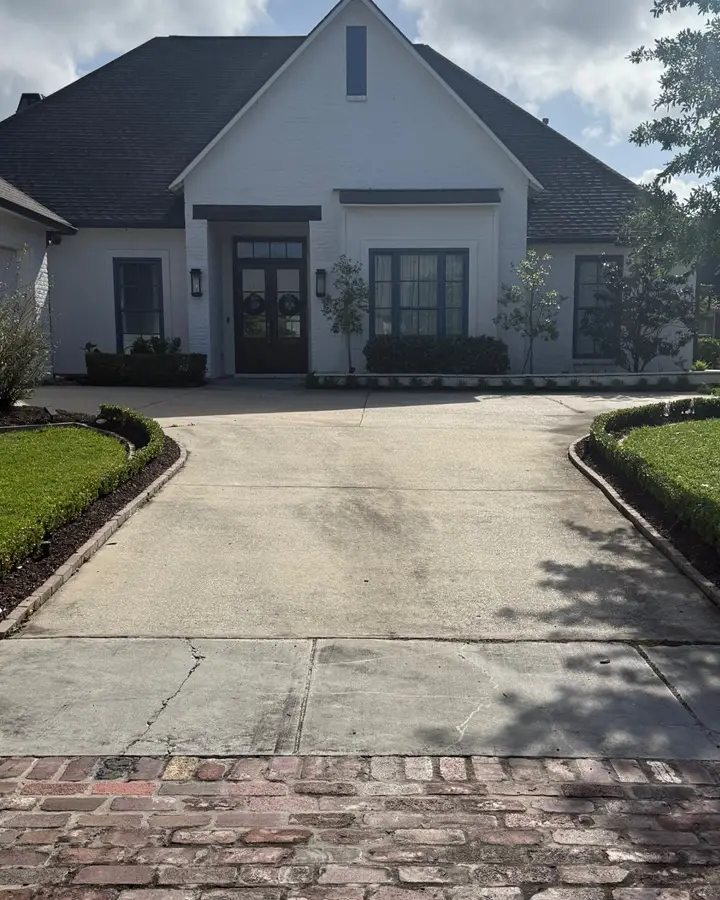
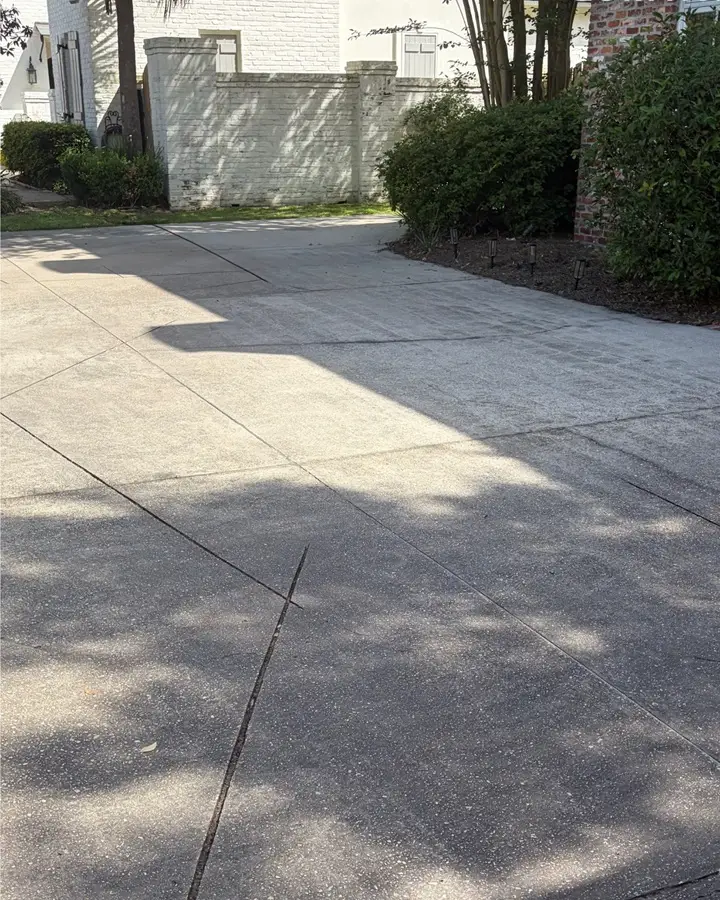
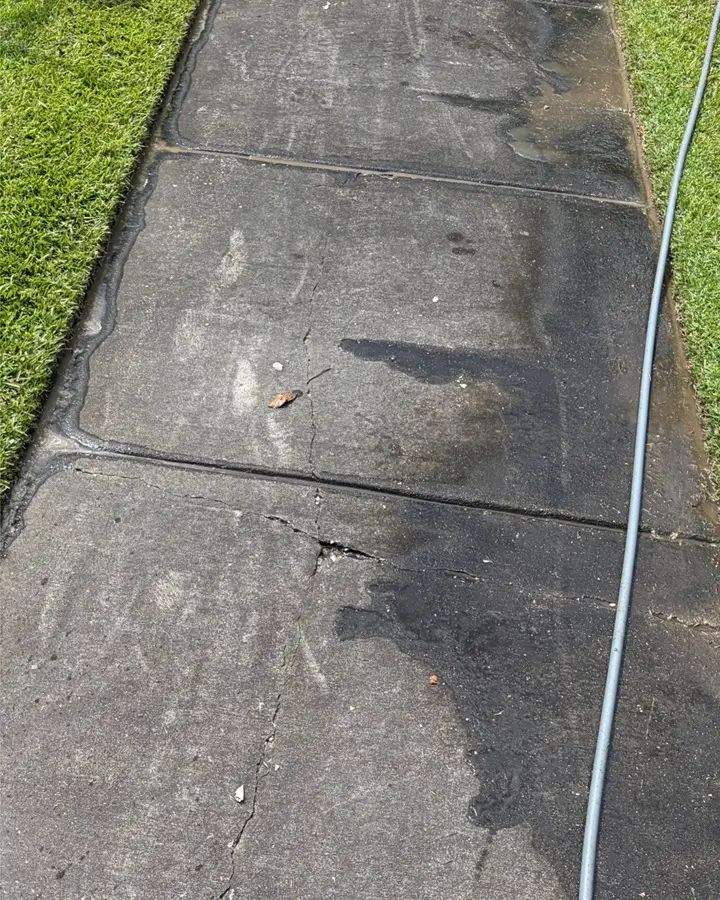
Cleaning a big slab with just a wand means holding the tip at the same distance and speed across hundreds of square feet. Nobody does that perfectly, so you end up with light and dark bands. Professionals use a flat-surface cleaner, which keeps the spray at a fixed height and overlaps each pass.
2. Etching the concrete
Holding a narrow nozzle too close to concrete can cut into the surface and leave lighter, rough marks that are permanent. It’s easy to do while chasing a stubborn spot.
3. High pressure on the house
This is the expensive one. High pressure can force water behind vinyl siding, chip stucco, erode mortar, strip paint, splinter wood and tear the granules off shingles. Siding and roofs should be soft washed: a cleaning solution that kills mildew and algae, then a gentle rinse. Our explainer on soft washing vs pressure washing covers why.
When DIY makes sense
- A small patio, a short walkway or a set of steps.
- Light buildup that hasn’t set in deep.
- You already own the equipment and enjoy the work.
- Touch-ups between professional cleanings.
When to hire a professional
- House washing, roofs or anything two stories up.
- Large or long driveways where stripes would show.
- Heavy mildew, oil or rust staining.
- You’re getting ready to sell and need it to look right the first time.
- You’d rather spend the weekend doing something else.
If you do it yourself
- Rent or buy a flat-surface cleaner for concrete. It makes the biggest difference in the result.
- Pretreat oil spots first. Our oil stain guide has the steps.
- Keep the wand moving and at a consistent distance. Start with a wider nozzle and test in an out-of-the-way spot.
- Don’t use high pressure on siding, stucco, painted surfaces or the roof.
- Wear eye protection and closed-toe shoes, and keep kids and pets well away.
And if it turns out to be more than you bargained for, we’re happy to finish the job.